Collection: CBD
Cannabidiol (CBD) is a compound found in cannabis plants that is not impairing or psychoactive, meaning it does not cause a "high". It is being researched for various therapeutic benefits, but the only FDA-approved use is as a prescription medication for certain severe seizure disorders.
What is CBD?
CBD is one of more than a hundred cannabinoids in the Cannabis sativa plant. Unlike delta-9-tetrahydrocannabinol (THC), the primary psychoactive compound in marijuana, CBD does not change how your brain functions to produce a "high". Most commercial CBD is derived from hemp, which by U.S. federal law must contain no more than 0.3% THC on a dry-weight basis.
Uses and Effectiveness
The only use of CBD with significant scientific evidence is for treating seizures associated with specific, rare forms of epilepsy (Dravet syndrome, Lennox-Gastaut syndrome, and tuberous sclerosis complex). A prescription product, brand name Epidiolex, is approved for this use in the US and Europe.
For other conditions, the evidence is less conclusive, and more research is needed.
- Anxiety: There is moderate evidence that CBD can help with anxiety and social anxiety.
- Pain: Studies show mixed results for general pain, but topical CBD oil may help with pain and itching from peripheral neuropathy.
- Sleep: Some reports suggest CBD may improve sleep quality, but high-quality evidence is limited.
- Addiction: CBD shows promise in reducing cravings for certain addictive substances like opioids and alcohol, but research is ongoing.
Types and Products
CBD products generally fall into three main types based on their composition:
- Full-spectrum CBD: Contains all plant compounds, including trace amounts of THC (less than 0.3% in the US), other cannabinoids, and terpenes. This combination may lead to an "entourage effect," where the compounds work together synergistically.
- Broad-spectrum CBD: Contains multiple cannabinoids and other plant compounds, but the THC is removed or present only in non-detectable traces.
- CBD Isolate: This is pure CBD, with no other compounds from the cannabis plant.
CBD is available in many consumer product forms, including:
- Oils and Tinctures: Liquids often placed under the tongue for rapid absorption into the bloodstream.
- Ingestibles: Products like gummies, capsules, and various foods or beverages, which are easy to dose but take longer to take effect as they go through the digestive system.
- Topicals: Creams, lotions, salves, or patches applied directly to the skin for localized relief.
- Vape Liquids: Inhaled using a vape pen, offering the fastest onset of effects, but some health risks related to vaping have been reported.
Safety and Legal Status
The legality of CBD products made from hemp varies by state and is subject to evolving regulations. The FDA does not regulate most commercial CBD products as dietary supplements and has issued warning letters to companies making unproven medical claims.
Potential side effects of CBD can include dry mouth, diarrhea, reduced appetite, drowsiness, and fatigue. High doses, especially of the prescription form, have been associated with signs of liver injury. CBD can also interact with other medications, such as blood thinners.
Experts advise consulting a healthcare professional before using CBD, especially if you are taking other medications or have existing medical conditions. It is also recommended to look for products that have a third-party laboratory certificate of analysis (COA) to verify the contents and check for contaminants

-
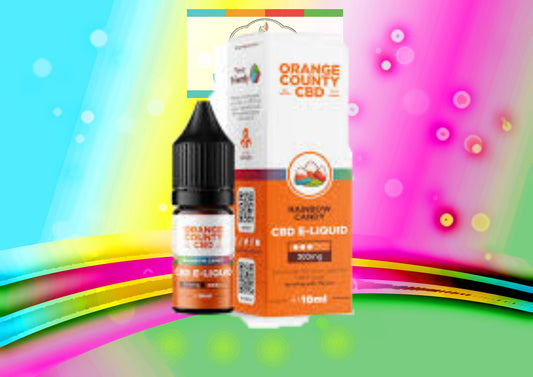
Orange County CBD 10ml-Rainbow Candy
Vendor:Orange CountyRegular price €15,00 EURRegular priceUnit price per -
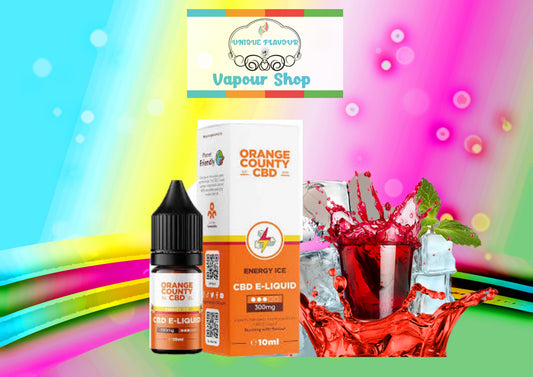
Orange County CBD 10ml-Energy Ice
Vendor:Orange CountyRegular price €15,00 EURRegular priceUnit price per -
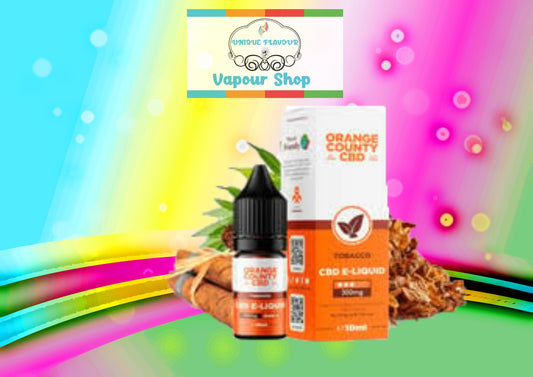
Orange County CBD 10ml-Tobacco
Vendor:Orange CountyRegular price €15,00 EURRegular priceUnit price per -
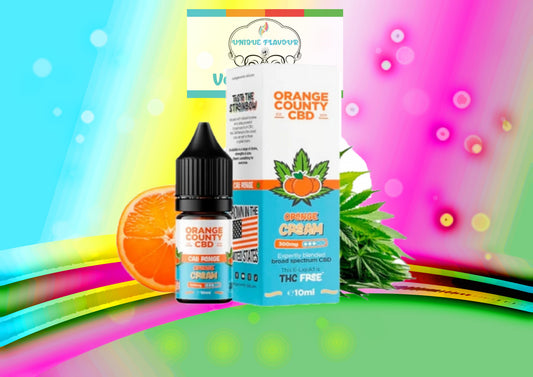
Orange County CBD 10ml-Orange Cream CBD
Vendor:Orange CountyRegular price €15,00 EURRegular priceUnit price per -
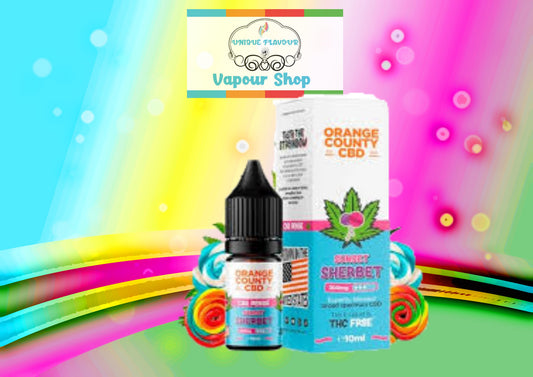
Orange County CBD 10ml-Sunset Sherbet
Vendor:Orange CountyRegular price €15,00 EURRegular priceUnit price per -
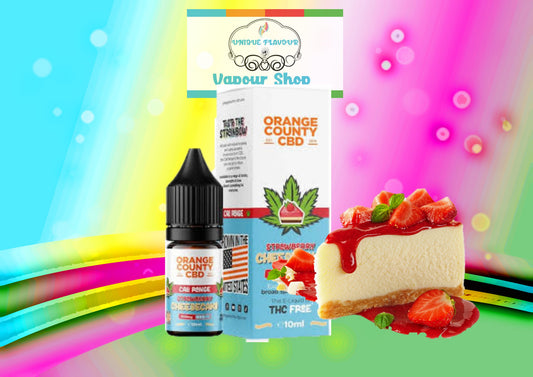
Orange County CBD 10ml-Strawberry Cheesecake
Vendor:Orange CountyRegular price €15,00 EURRegular priceUnit price per -
Orange County CBD 10ml-The OC CBD
Vendor:Orange CountyRegular price €15,00 EURRegular priceUnit price per